Winter Storm Prep for Mountain West Families: Start This Week
A winter storm in the Mountain West is usually a few days of closed roads, a cold house, and a grocery store that is either packed or dark. You do not need a new hobby. You need the kit you already meant to finish, a way to hear the forecast when the phone is dead, and a plan for the food in the fridge.
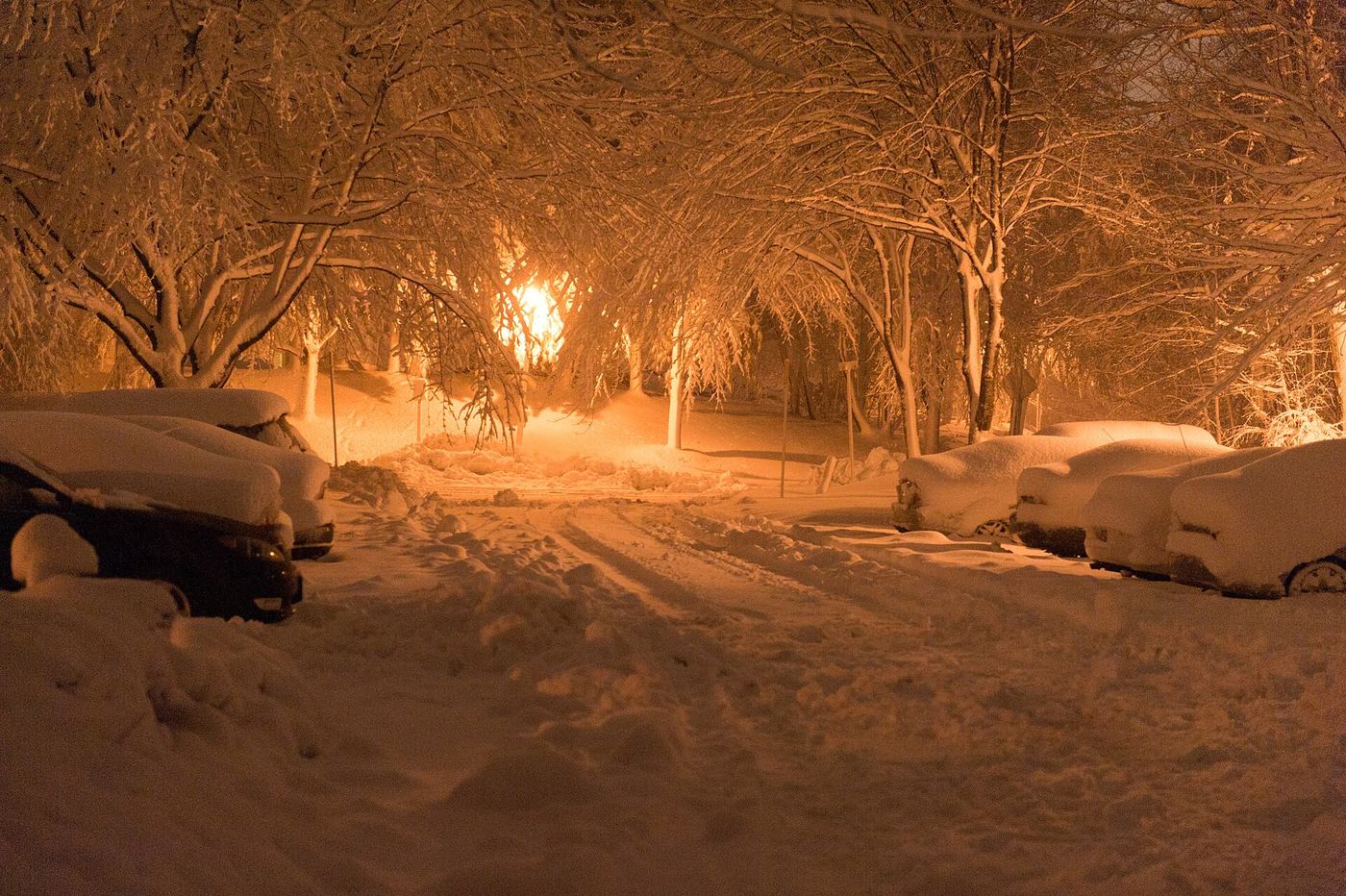
Do the short list this week, while the lights are on.
Hear the forecast without the phone
Ready.gov’s kit page asks for a battery-powered or hand-crank radio, and specifically a NOAA Weather Radio with tone alert. NOAA Weather Radio is the National Weather Service broadcast of forecasts, watches, and warnings. It keeps talking when the cell network is busy.
Put fresh batteries with the radio, or check that the crank still turns. Find the station that comes in clearly at your house before the snow starts. The National Weather Service winter safety page is the place for the forecast and the cold-weather warnings. This note does not restate weather statistics.
Finish the three-day kit
Ready.gov’s basic list is the right size for a first storm: water, food that does not need a refrigerator, a flashlight, a first-aid kit, and a way to signal for help. The water figure on that page is one gallon per person per day, for drinking and sanitation. For three days, that is three gallons for each person. Children count as people.
The 72-hour kit guide walks through the rest of that list in plain language, including warm clothes and a blanket for a Mountain West winter. Ready.gov says the clothing should match your climate, and that each person needs a sleeping bag or warm blanket. Sturdy shoes belong in the bag, not in a closet down the hall.
If you would rather see the quantities for your own household, use the kit builder. It uses that same one-gallon rule.
The car, not a second life
Ready.gov also says to keep supplies in the car, in case you are stranded. For a winter week, that can be small: a blanket, a little water, a little food, a flashlight, and the shoes you can walk in. Do not count on water that has frozen solid in the trunk. Bring a share of it inside if the nights are hard.
If the power goes out
The food already in the fridge and freezer has its own rules, and they are shorter than people hope. They are written up in keeping food safe when the power goes out, with the times and temperatures from USDA and FoodSafety.gov. The useful habit before the storm is simple: put a thermometer in the fridge and in the freezer, and know where the cooler is.
Keep the doors shut once the power fails. The chart on that page is what to use when the lights come back, not a guess from the smell.
This week
- Pull the 72-hour kit into the light and replace what is expired.
- Count gallons: one per person per day.
- Test the weather radio and set it to the local NOAA station.
- Put a blanket, a flashlight, and sturdy shoes in the car.
- Read the cold-storage note before you need it.
That is enough for the storm that is actually coming. The rest of the house can wait.
Videos
Press play to load a video. Nothing from YouTube is requested until then.
Comments
Comments open soon. Nothing you type here is saved.